

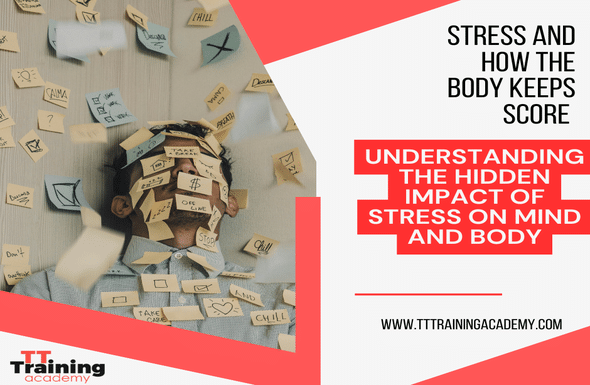
Stress and How the Body Keeps Score
Understanding the Hidden Impact of Stress on Mind and Body

Stress is something we all experience. Whether it's juggling work, family responsibilities, financial pressures, or recovering from difficult life experiences, stress has become a common part of modern life. While a small amount of stress can motivate us to meet challenges, prolonged or overwhelming stress can have a profound impact on both our physical and emotional well-being.
One of the most influential ideas in trauma research is that our bodies remember what our minds sometimes try to forget. Stress isn't simply "all in your head"; it affects your nervous system, immune system, muscles, hormones, and even the way you connect with others.
What Happens to Your Body During Stress?
When we encounter a stressful situation, our brain activates the body's natural "fight, flight, or freeze" response. Stress hormones such as adrenaline and cortisol are released, increasing heart rate, sharpening focus, and preparing us to respond quickly.
While this response is essential for survival, problems arise when stress becomes constant. The body can remain in a heightened state of alert even when there is no immediate danger.
Over time, chronic stress may contribute to:
- Muscle tension and chronic pain
- Headaches and migraines
- Digestive issues
- Poor sleep and insomnia
- Fatigue
- Anxiety and depression
- Difficulty concentrating
- A weakened immune system
- Increased risk of cardiovascular disease
Your body isn't failing; it is responding to prolonged stress in the way it was designed to protect you.
Why the Body Keeps Score
Stressful and traumatic experiences can leave lasting imprints on the nervous system. Even when we believe we've moved on, our bodies may continue reacting as though the threat still exists.
You may notice symptoms such as:
- Feeling constantly on edge
- Being easily startled
- Emotional numbness
- Panic attacks
- Difficulty trusting others
- Unexplained aches and pains
- Finding it hard to relax
These are not signs of weakness. They are often protective responses developed by the brain and body to help us survive difficult experiences.
Recognising the Signs of Chronic Stress
Your body often signals when stress is becoming too much.
Ask yourself:
- Am I carrying tension in my neck, shoulders or jaw?
- Am I sleeping poorly even though I feel exhausted?
- Have I become more irritable than usual?
- Do I struggle to switch off my thoughts?
- Am I experiencing digestive problems or frequent headaches?
Learning to recognise these signals early can help prevent stress from becoming overwhelming.
How to Support Your Nervous System
Managing stress isn't about simply thinking positively. It's about helping your nervous system return to a state of safety and balance.
Effective ways to manage stress include:
- Regular physical activity
- Deep breathing exercises
- Mindfulness and meditation
- Spending time outdoors
- Prioritising quality sleep
- Eating a balanced diet
- Connecting with supportive family and friends
- Creative activities such as art, music or journaling
- Seeking professional support when needed
Small, consistent changes often have the greatest impact over time.
Healing Is Possible
The encouraging news is that our brains and bodies are capable of healing. Research into neuroplasticity shows that the nervous system can adapt and recover with the right support.
Therapy, movement, mindfulness, healthy relationships and self-compassion can all help reduce the long-term effects of chronic stress and trauma.
Healing doesn't mean forgetting difficult experiences. It means allowing them to become part of your story without controlling your present.
Final Thoughts
Stress affects every part of our wellbeing, from our physical health to our emotions, relationships and daily functioning.
Rather than asking, "What's wrong with me?" a more compassionate question is, "What has my body been trying to tell me?"
When we begin listening to our bodies with curiosity rather than judgement, we create the opportunity for healing, resilience and lasting wellbeing.
FAQ's
Can stress really cause physical symptoms?
Yes. Chronic stress can contribute to headaches, muscle tension, digestive issues, fatigue, poor sleep, high blood pressure and a weakened immune system. Long-term stress affects multiple systems throughout the body, which is why managing stress is important for both physical and mental health.
What does "the body keeps score" mean?
The phrase refers to the idea that stressful and traumatic experiences can leave lasting effects on the body and nervous system. Even after an event has passed, the body may continue responding as though it is still under threat, leading to ongoing physical and emotional symptoms.
What are the best ways to reduce chronic stress?
Managing chronic stress usually involves a combination of healthy lifestyle habits and emotional support. Regular exercise, quality sleep, mindfulness, breathing exercises, spending time in nature, maintaining supportive relationships and speaking with a healthcare professional or therapist can all help regulate the nervous system and improve wellbeing.
No Comments